
Acne
Acne
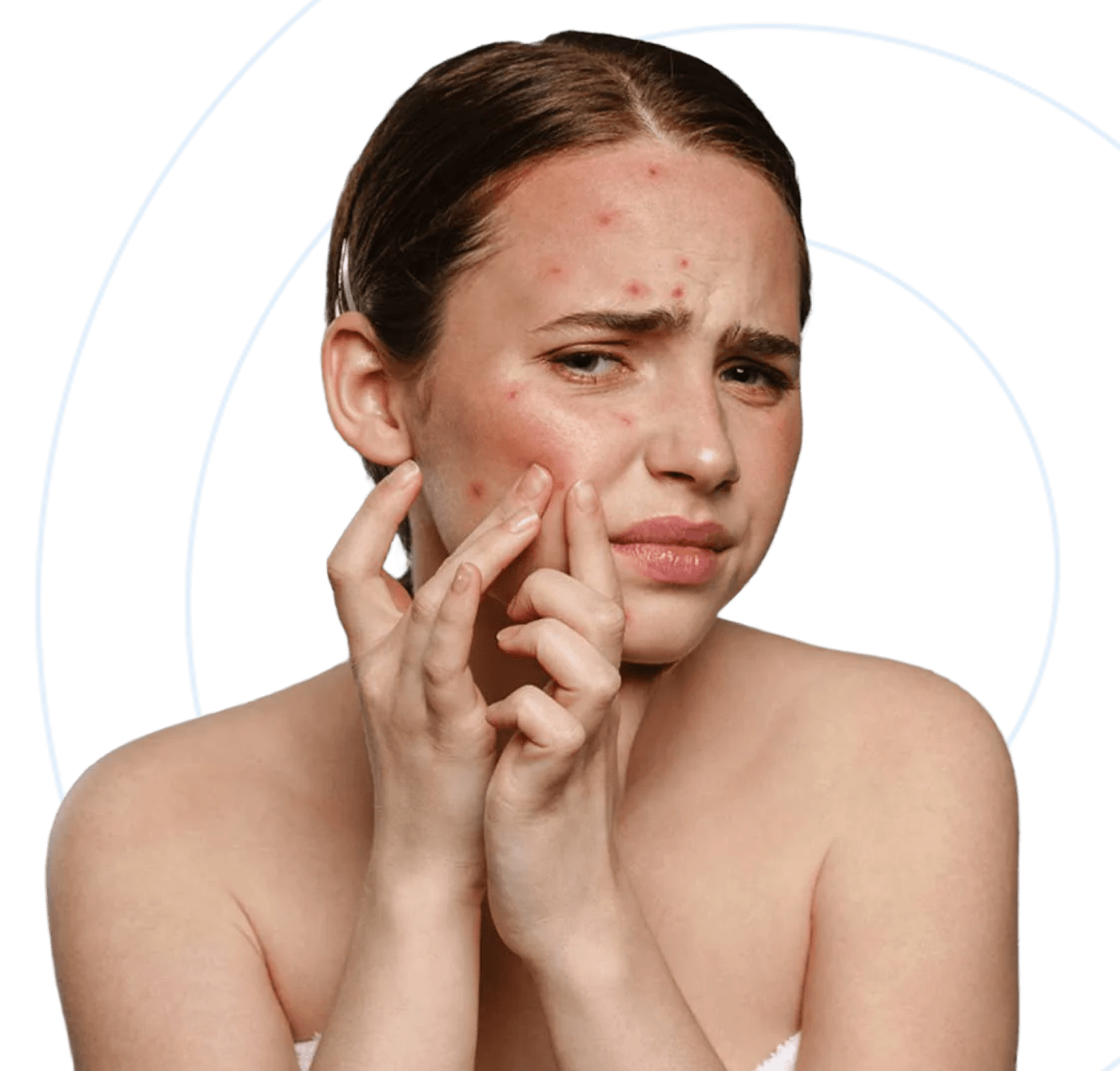
Acne is a very common problem faced by the adolescents. It is medically referred to as Acne Vulgaris. Acne is chronic inflammation of the pilosebaceous units. The condition is extremely common; it generally starts after puberty and there are reports of it affecting over 90% of adolescents. It is usually most severe in the late teenage years but can persist into the thirties and forties, particularly in females. Acne vulgaris is most common between the ages of 12 and 20. It often begins around 10–13 years of age, lasts for 5–10 years and usually resolves by age 20–25.
Causes of Acne:
Infection of the pilosebaceous glands by propionibacterium acnes. Severity of acne is associated with sebum excretion rate, which increases at puberty. Both androgens and progestogens increase sebum excretion and oestrogens reduce it, although the hormonal effects may also reflect end-organ sensitivity, as most patients have normal hormone profiles. There may be a positive family history; there is high concordance in monozygotic twins and it is likely that genetic factors are important in some families, but candidate genes have not been confirmed.
Symptoms :
Emotional Effects:
At allagens can have negative effects on self-esteem, but it is especially important to assess how it affects anadolescents. The consequences (whether acne is objectively severe or not)can be devastating, leading to embarrassment, school avoidance, life-long effects on ability to form friendships, attract partners, and acquire and keep employment.
Acne usually affects the face and often the trunk. Greasiness of the skin may be obvious (seborrhoea). The hallmark is the comedone: open comedones (blackheads) are dilated keratin-filled follicles, which appear as black papules due to the keratin debris; closed comedones (whiteheads) usually have no visible follicular opening and are caused by accumulation of sebum and keratin deeper in the pilosebaceous ducts. Inflammatory papules, nodules and cysts occur and may arise from comedones. Scarring may follow deep-seated or superficial acne and may be keloidal.
There are distinct clinical variants:
- Acne Conglobata: Characterised by comedones, nodules, abscesses, sinuses and cysts, usually withmarked scarring. It is rare, usually affecting adult males, and most commonly occurs on trunk and upper limbs. It may be associated with hidradenitis suppurativa (a chronic, inflammatory disorder of apocrine glands, predominantly affecting axillae and groins), scalp folliculitis and pilonidal sinus.
- Acne Fulminans: A rare but severe presentation of acne, associated with fever, arthralgias and systemic inflammation, with raised neutrophil count and plasma viscosity. It is usually found on the trunk in adolescent males. Costochondritis can occur.
- Acne Excoriée: Describes self-inflicted excoriations due to compulsive picking of pre-existing or imagined acne lesions. It usually affects teenage girls and underlying psychological problems are common.
- Secondary Acne: Comedonald acne can be caused by greasy cosmetics or occupational exposure to oils, tars or chlorinated aromatic hydrocarbons. Predominantly pustular acne can occur in patients using systemic or topical corticosteroids, oral contraceptives, anticonvulsants, lithium or antineoplastic drugs, such as the epidermal growth factor receptor (EGFR) inhibitor, cetuximab. Most patients with acne do not have an underlying endocrine disorder. However, acne is a common feature of polycystic ovary syndrome, which should be suspected if acne is moderate to severe and associated with hirsutism and menstrual irregularities. Virilisation should also raise suspicion of an androgen-secreting tumour.
Diagnosis:
Acne is a clinical diagnosis. But certain associated features can be investigated. Investigations are not required in typical acne vulgaris. Secondary causes and suspected underlying endocrine disease or virilisation should be investigated:
- Estrogen levels
- Testosterone levels
- Sex hormone binding globulins
- Total Iron binding capacity
- FSH/LH levels
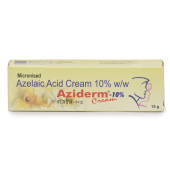
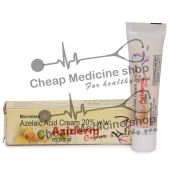
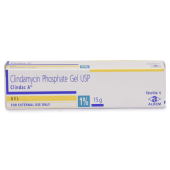
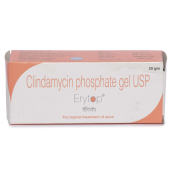
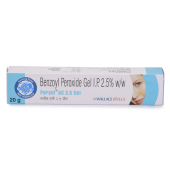
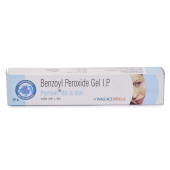
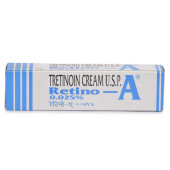
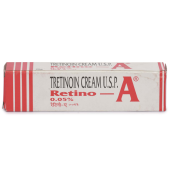
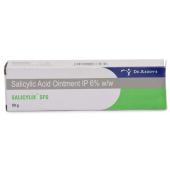
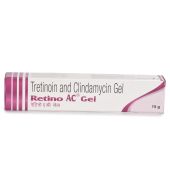
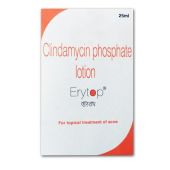
Mild disease is usually managed with topical therapy. If comedones predominate, then topical benzoyl peroxide or retinoids should be used. Treatment should initially be applied at low concentrations for short duration and increased as tolerated. Azelaic acid may also be useful for mild acne. Patients with mild inflammatory acne should respond to topical antibiotics, such as erythromycin or clindamycin, which can be used in combination with other treatments. For moderate inflammatory acne, a systemic tetracycline, such as oxytetracycline or lymecycline, should be used at adequate dose for 3–6 months in the first instance. If the case fails to respond, then alternatives include erythromycin or trimethoprim. Oestrogen-containing oral contraceptives or a combined oestrogen/anti-androgen (such as cyproterone acetate) contraceptive may provide additional benefit in women. Patients should be referred for consideration of isotretinoin (13 cis-retinoic acid) if there is a failure to respond adequately to 6 months of therapy with these combined systemic and topical approaches.
Isotretinoin has revolutionised the treatment of moderate to severe acne that has not responded adequately to other therapies. It has a multifactorial mechanism of action, with reduction in sebum excretion by over 90%, follicular hypercornification and P. acnes colonisation. A typical course lasts for 4 months. Sebum excretion usually returns to baseline over the space of a year after treatment is stopped, although clinical benefit is usually longer-lasting. Many patients will not require further treatment, although a second or third course of isotretinoin may be required. A low-dose continuous or intermittent-dose regimen may be considered for a longer duration, in patients who relapse after a higher dose regimen. Combination with systemic steroid may be required in the short term for severe acne, in order to minimise the risk of disease flare early in the treatment course. Thorough screening and monitoring are required, given the side-effect profile of isotretinoin.
Intralesional injections of triamcinolone acetonide may be required for inflamed acne nodules or cysts, which can also be incised and drained, or excised under local anaesthetic. Scarring may be prevented by adequate treatment of active acne. Keloid scars may respond to intralesional steroid and/or silicone dressings. Carbon dioxide laser, microdermabrasion, chemical peeling or localised excision can also be considered for scarring. UVB phototherapy or PDT can occasionally be used in patients with inflammatory acne who are unable to use conventional therapy, such as isotretinoin. There is no convincing evidence to support a causal association between diet and acne.
Myths/Facts:
- Myth: Acne is not a disease to be worried, it comes and goes.
- Fact: Acne is a disease which can be treated depending upon the severity.
- Myth: Once you get acne, you’ll have scars forever.
- Fact: Acne scars fade over time.